
Healing Properties
Thulian Tourmaline – Gemmy Pink Tourmaline

A Rare and Romantic Gemstone.
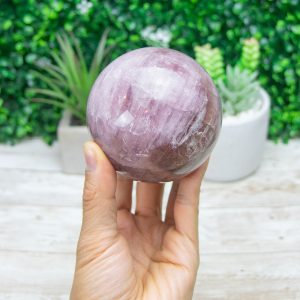
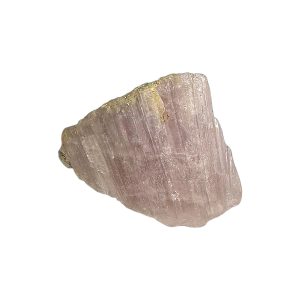
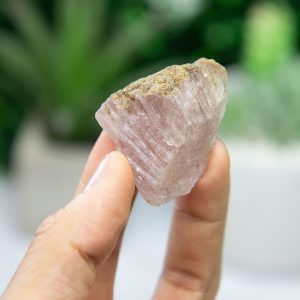
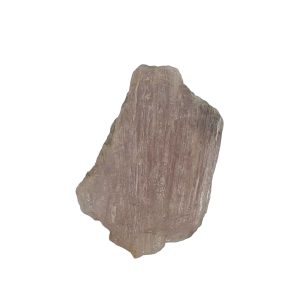
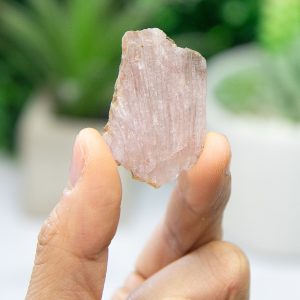
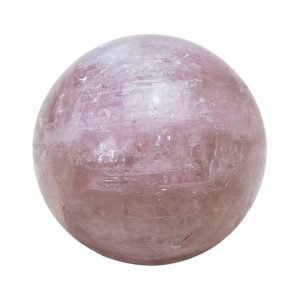
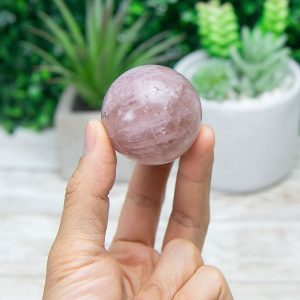
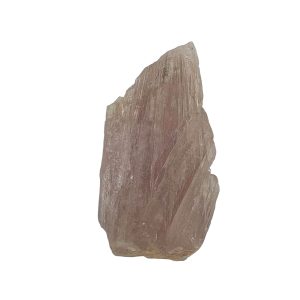
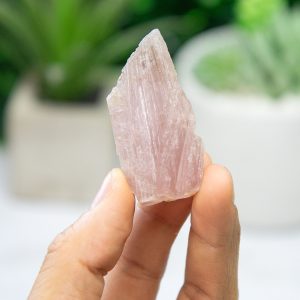
Thulian Tourmaline is a newly identified and captivating variety of tourmaline that boasts a distinctive pink to purplish-pink hue, reminiscent of the romantic tones associated with Thulite, the national gemstone of Norway. While it shares its name with Thulite in color inspiration, Thulian Tourmaline is not the same mineral—it is a member of the tourmaline family, known for its unique crystal structure and chemical complexity. Thulian Tourmaline is a trade name used by Justin Time Crystals.
Tourmaline is a boron silicate mineral with a naturally occurring trigonal crystal system. Thulian Tourmaline specifically displays colors ranging from soft lilac-pink to deep magenta, often with subtle internal zoning and occasional inclusions that enhance its depth and character.

Composition and Properties
Thulian Tourmaline is a member of the tourmaline group of minerals, with a complex borosilicate composition containing elements such as aluminum, lithium, and sodium. The vivid pink hues are primarily due to manganese inclusions, which give the stone its signature warm tone. It ranks 7 to 7.5 on the Mohs scale of hardness, making it suitable for jewelry while still requiring some care to prevent scratches or damage.
Color: Pink to violet-pink, sometimes with subtle zoning
Luster: Vitreous
Transparency: Transparent to translucent
Crystal System: Hexagonal (Trigonal)
Hardness: 7–7.5 on the Mohs scale
Cleavage: Indistinct
Fracture: Uneven to conchoidal
Specific Gravity: ~3.0–3.2
Physical Properties
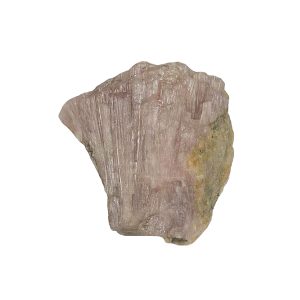
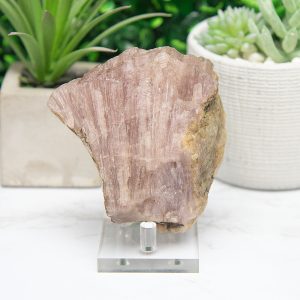
Thulian Tourmaline is a crystalline borosilicate mineral belonging to the Elbaite variety of the Tourmaline group. It typically exhibits a soft to vibrant pink hue, often with subtle undertones ranging from rose to mauve, and may display slight zoning or gradation of color within the crystal. Its luster ranges from vitreous to slightly silky, depending on the presence of inclusions.
Mineral Specimens
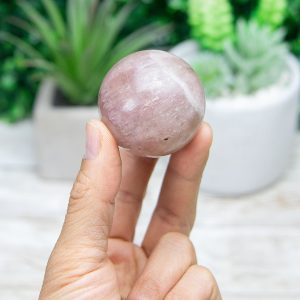
Divine Schorl Collection
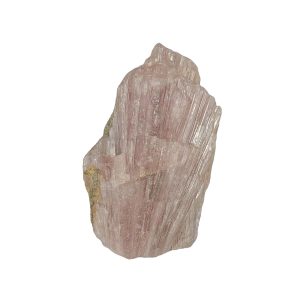
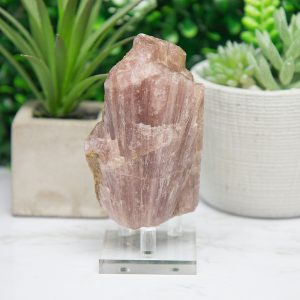
Mineral Specimens
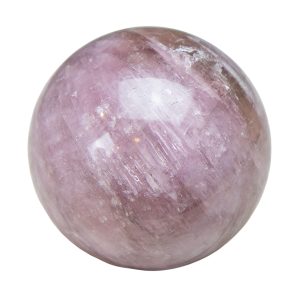
Vault Collection
Mineral Specimens
Mineral Specimens
Divine Schorl Collection
Mineral Specimens
Formation and Locations
Thulian Tourmaline forms in igneous and metamorphic environments, often within pegmatite veins where mineral-rich fluids allow large crystal growth. Its distinct pink hues result from manganese impurities incorporated during formation. While similar pink tourmaline is mined worldwide, stones fitting the Thulian Tourmaline profile are often sourced from Brazil, Madagascar, Tanzania, and Mozambique.
Brazil – known for its vibrant and gem-quality tourmalines.
- Tanzania & Mozambique – known for richly saturated tones.
Afghanistan & Pakistan – offering pastel shades with excellent clarity.
Madagascar – prized for unique hues and transparency.
The exact tone and saturation of Thulian Tourmaline may vary depending on the source, with each location imparting its own geological fingerprint on the stone.
Metaphysical and Healing Associations
In crystal healing traditions, Thulian Tourmaline is celebrated as a stone of compassion, emotional healing, and love. Its soft pink hues are believed to resonate strongly with the heart chakra, helping:
Soothe emotional wounds.
Foster self-love and self-acceptance.
Encourage kindness and empathy toward others.
Inspire creativity through emotional balance.
Many practitioners also associate it with calming overactive emotions, making it a stone often recommended for stress relief and emotional clarity.
Care and Maintenance
Thulian Tourmaline is relatively hard but should still be treated with care:
Avoid prolonged exposure to direct sunlight, which can fade its delicate color.
Clean using warm, soapy water and a soft cloth.
Avoid ultrasonic and steam cleaners, as inclusions can be damaged by sudden temperature changes.
Uses in Jewelry and Collecting
Due to its beauty and durability, Thulian Tourmaline is highly sought after for:
Fine jewelry – rings, pendants, earrings, and bracelets.
Collector’s pieces – in both faceted and raw forms.
Metaphysical work – meditation stones, chakra grids, and healing layouts.
Gem cutters appreciate the stone for its ability to display brilliance and sparkle when properly faceted, while collectors value it for its gentle and romantic visual appeal.
Conclusion
Thulian Tourmaline is more than just a pink gemstone—it is a visual representation of elegance, warmth, and emotional balance. Whether treasured for its aesthetic charm, metaphysical associations, or rarity in certain hues, it holds a timeless appeal for gem enthusiasts, jewelry lovers, and crystal healers alike. With its enchanting coloration and rich geological heritage, Thulian Tourmaline remains a stone that bridges beauty with meaning.